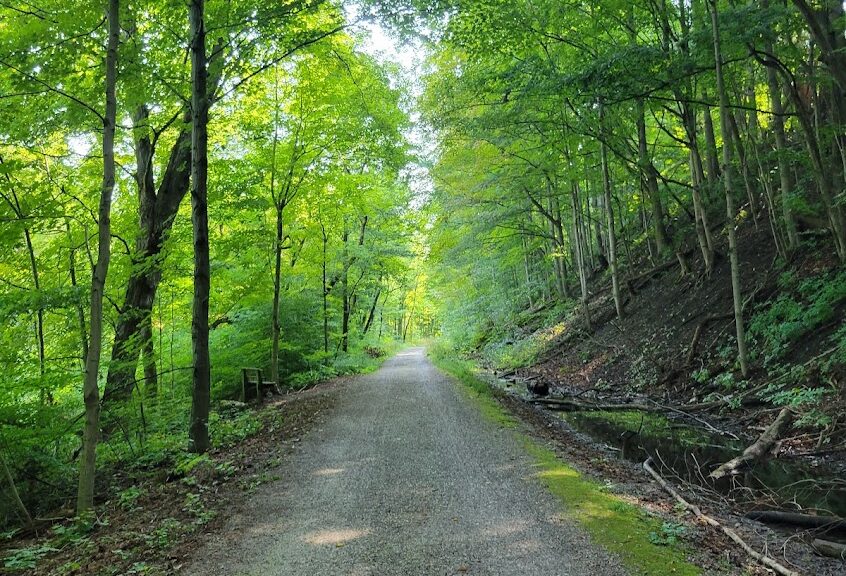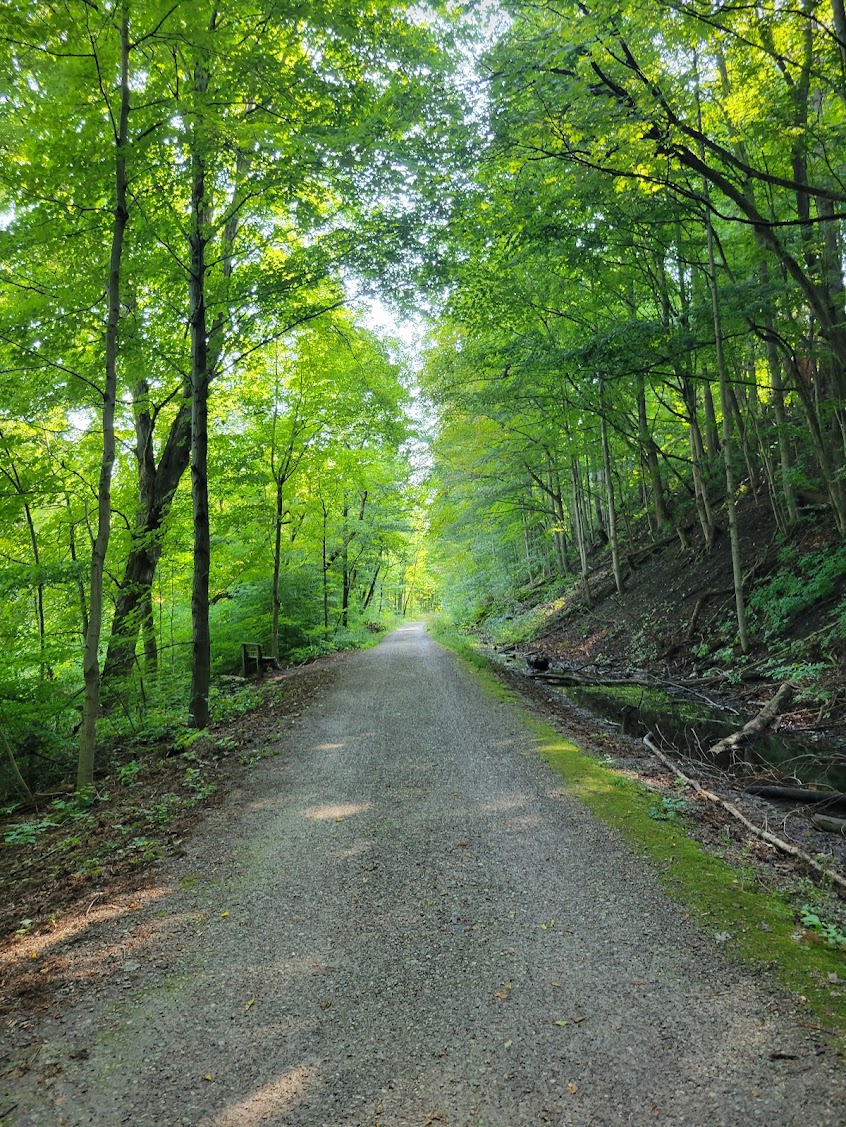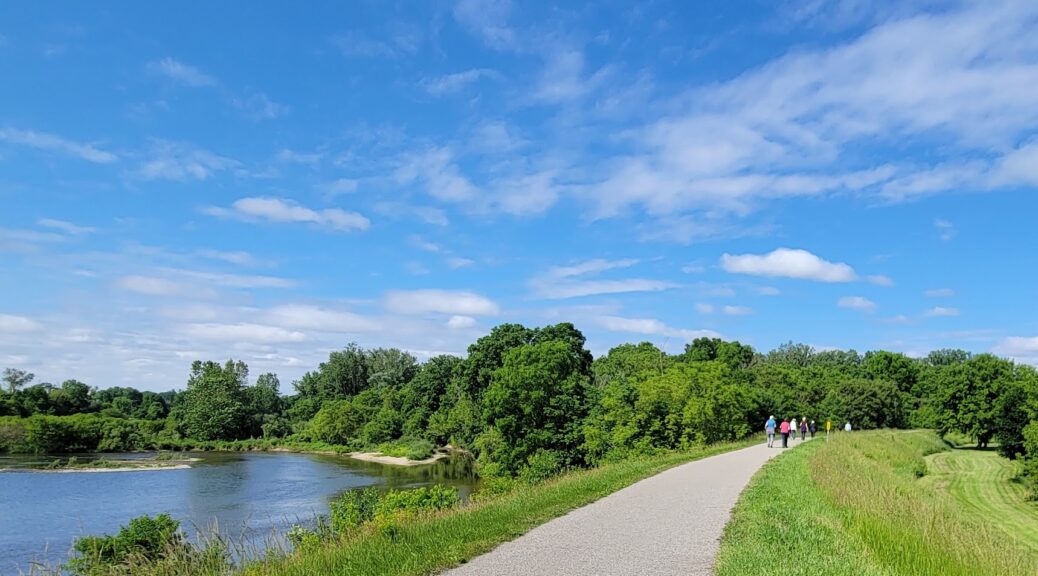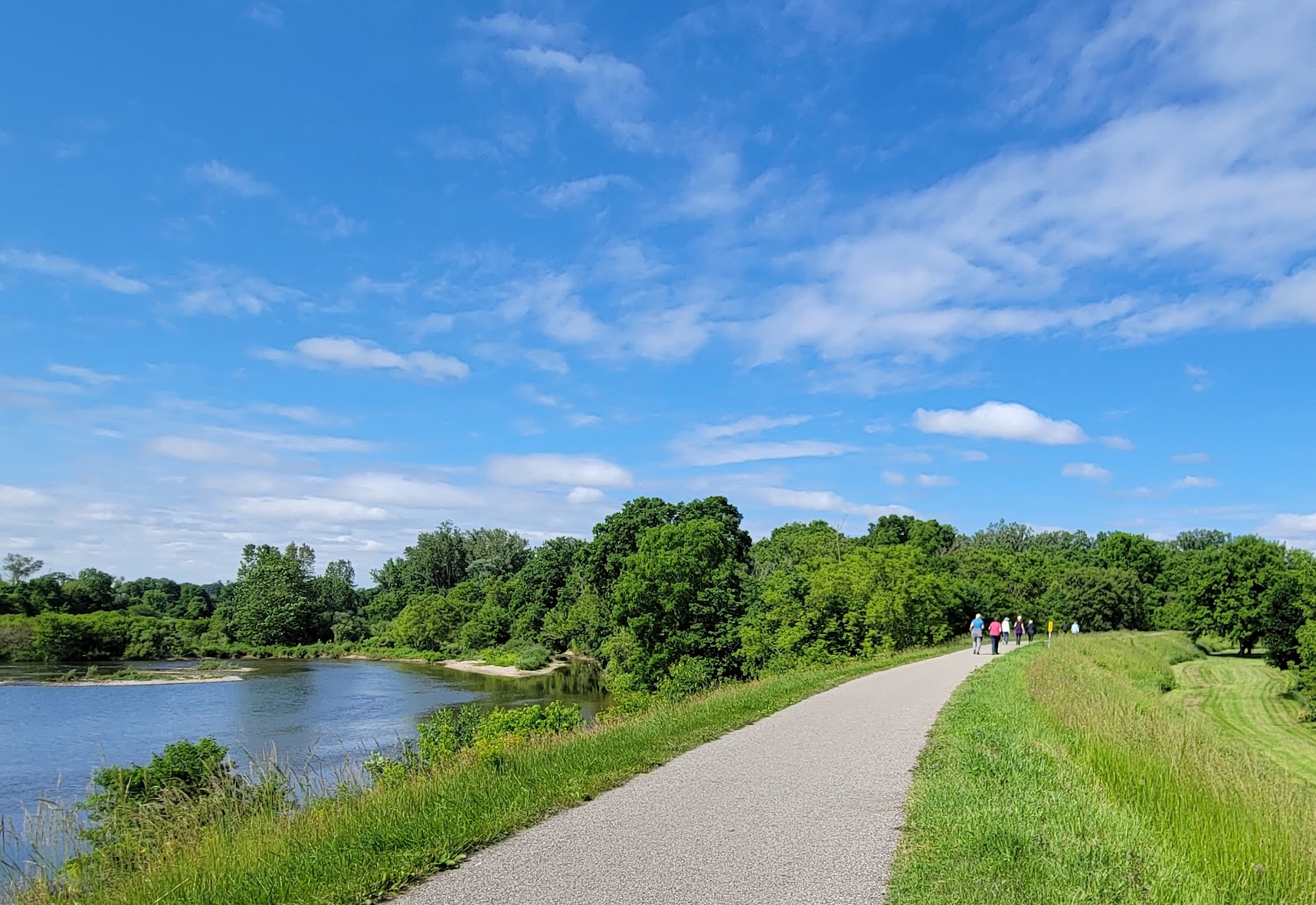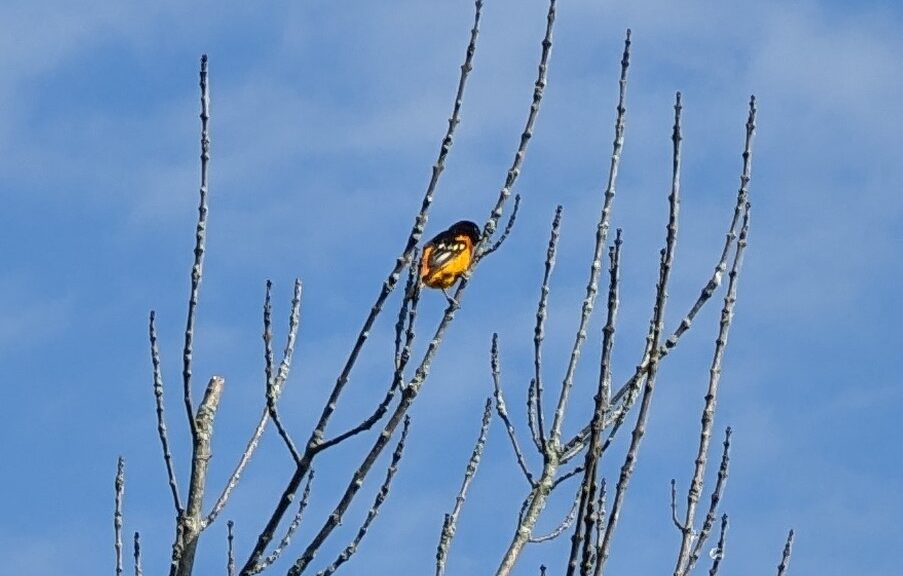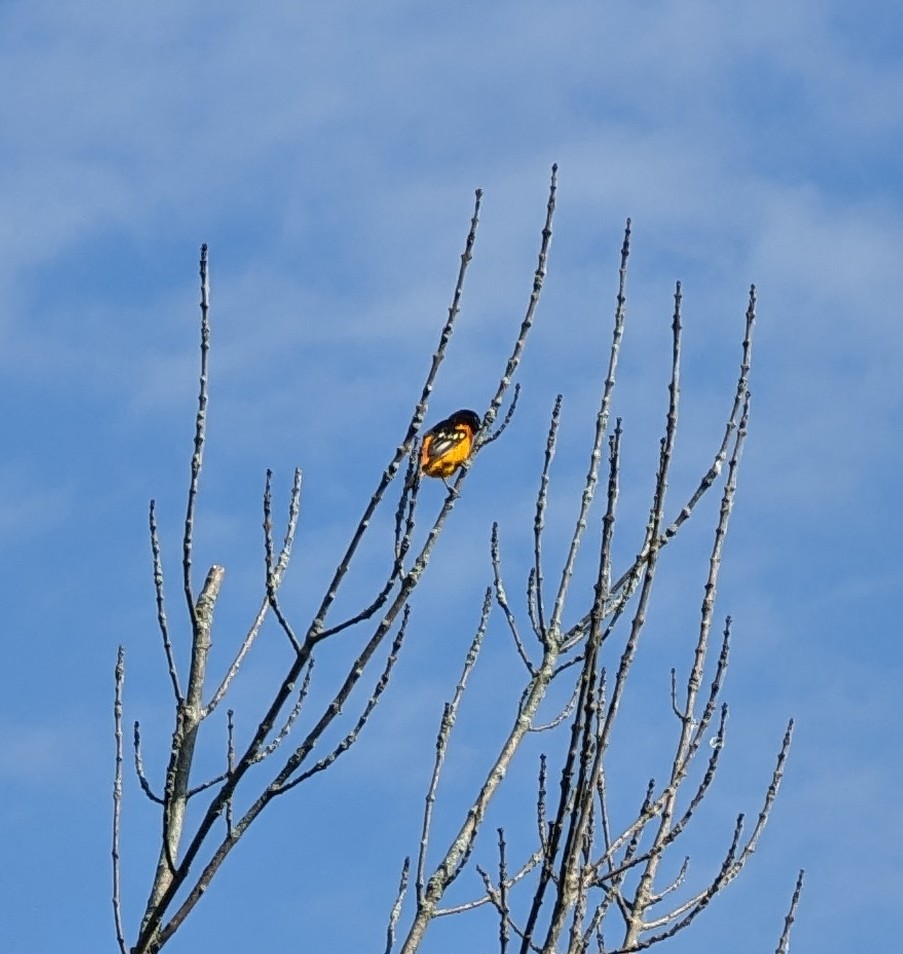
One of our walkers thought we should call ourselves the Tuesday Trotters! I see very little trotting going on but I do see a lot of great conversation, birdwatching, recipes exchanged, and general support. The Tuesday whats? I don’t know!


One of our walkers thought we should call ourselves the Tuesday Trotters! I see very little trotting going on but I do see a lot of great conversation, birdwatching, recipes exchanged, and general support. The Tuesday whats? I don’t know!


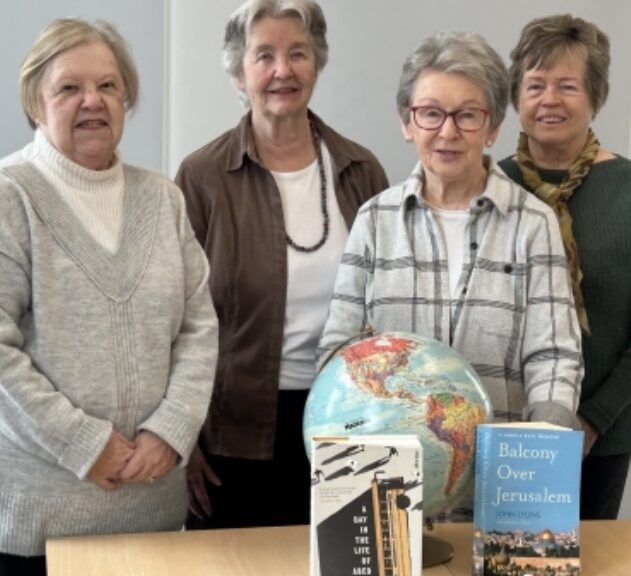
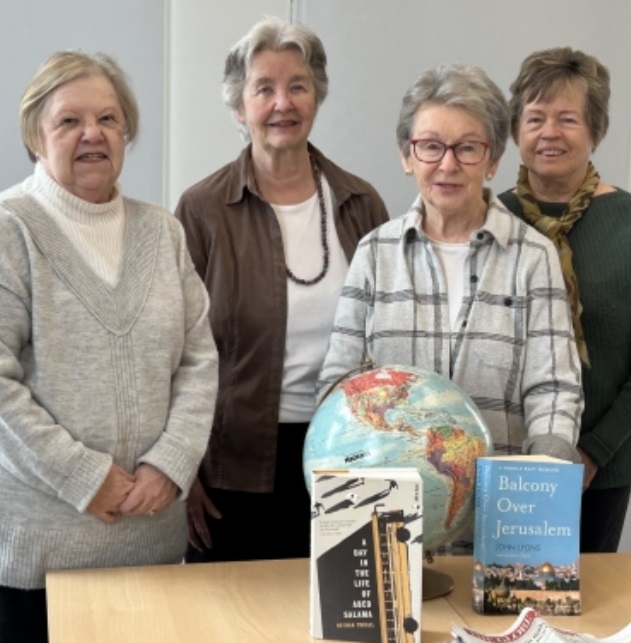
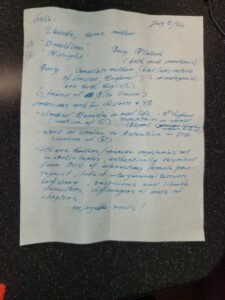
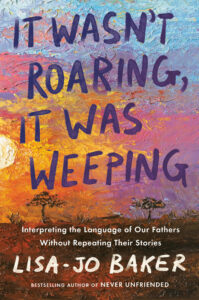
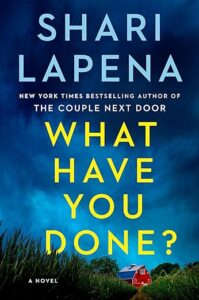
Thursday Night Book Club met on Zoom. This month, we deviated from our traditional exploration of one book. Our challenge was to each choose an iconic or classic book that had remained personally significant over the decades. We reread our chosen book over the past month, reflecting on whether the story was still memorable. We presented the books we had chosen by genres: Fantasy/Fable, Historic Fiction/Fiction, and Philosophy, sharing the impact the book had ‘back then’ versus ‘now’. The discussion was lively as we recalled memories that the books invoked, the importance – and joy – of being read to as a child, and how we came of age by reading books that included stories about war, depression, revolution, and ‘the very meaning of life’.

Longtime club member Janet K was very interested to recognize a logo that she had designed being included in one of the paintings on the plywood patch bridge. She had designed the logo for Ecole Dufferin when a new logo was needed to celebrate the school’s 100th anniversary. Janet designed it at the request of her daughter who was on the PTA at the time, and they are still using it. At the time of the anniversary it was printed on t-shirts and other paraphernalia… Janet had forgotten all about it, so fun to see it today on the bridge.

Our walking group flexes to ensure all can participate at their own pace, so some walk for an hour and some walk for 90 minutes, some walk on an indoor track, and some walk outdoors, some come for coffee after and some do not. Today, a critical mass of us met up on the trail! HA!


The Creative Cooking Group enjoyed a four course dinner this week but the highlight was the maple parsnip soup – great nurture food for these cold winter days.
MAPLE PARSNIP SOUP WITH MUSTARD AND PINE-NUTS
(Makes 8 servings.)
Ingredients
1/3 c. butter
1 lb. parsnips, cut into 1/2 inch rounds 2 med. onions, 1/2 inch diced
2 clove garlic, minced
1/4 tsp. nutmeg
6 c. chicken broth
1/2 cup whipping cream
2 tbs. dijon mustard
1/3 c. maple syrup
3/4 c. toasted pine-nuts
salt to tasteInstructions
Melt butter over medium heat in a heavy pan. When it starts to brown, add parsnips, onion and garlic. Cook til onions are translucent but not browned. Add nutmeg and stock. Bring to simmer and cook 40 minutes or until parsnips are soft. Add cream. Take off heat and puree til smooth. Add dijon, syrup, and salt to taste. Sprinkle each serving with toasted pine-nuts
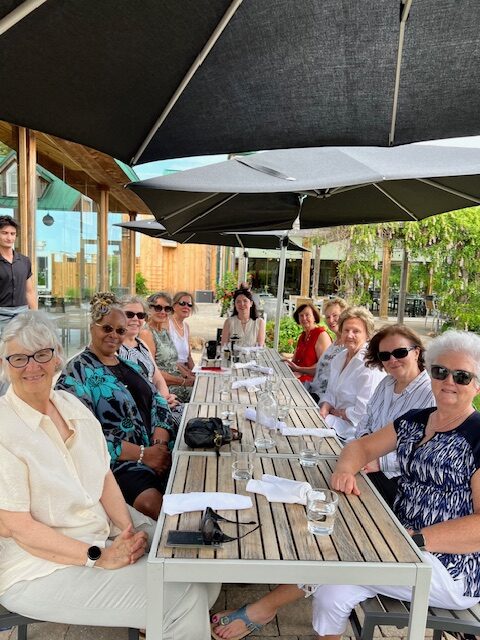
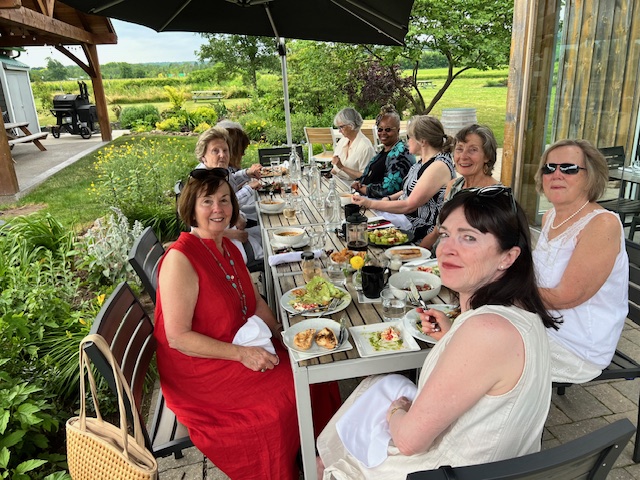
Interest groups are the key to our club’s longevity. It’s not just about the exercise and fresh air and it’s not just about the conversation with old friends and new. It’s about the synergy. Supporting, caring, being there — together. On this cold day in January, every topic imaginable was discussed, including ukuleles.
During this afternoon’s super-interesting meeting, Marion Weir brought a photo from our same book group from May 2007! Two of the members are still in the group, Marion herself and Jean Farquharson.

Marsha presented Scarcity Brain, and highly recommends it.


Marsha S gives this new approach to the history of Ukraine a resounding 5/5.
Hrytsak takes a holistic approach to history, covering large subjects with a storytelling technique rather than relying on dry chronology. It starts with the day Russia attacked Ukraine in the current war and describes the innovative and communal way individual Ukrainians successfully fought back the surprise attack from a massive force that should have been more organized. Individual Ukrainians took responsibility for the defense of their country and fought back with whatever weapons they had. Their creativity and dedication set them apart from the monolithic army of the Russians, whose every movement came from above, often from Putin himself, meaning individual soldiers and their commanders were frozen, waiting for orders. This vignette sets the tone for the rest of the book: how is it that neighbouring nations can have such starkly different citizens in outlook, response and resourcefulness? Hrytsak’s book answers that question by delving back into the history of Ukraine and it’s record of protest against unjust rule vs Russia and its history of the populace being held down by despots. Anyone wanting to understand the current war should read this book.